
ZERO TO THREE
LEARN Conference & HealthySteps Symposium
Portland, Oregon
October 27-29, 2026


Join us for the 2026 ZERO TO THREE LEARN Conference & HealthySteps Symposium
Meet new colleagues, reconnect with peers, and hear from powerful voices shaping the future of the field. Join a community that shares your passion, and walk away with fresh ideas, practical tools, and renewed inspiration.
ZERO TO THREE’s LEARN Conference is the industry’s largest gathering of early childhood professionals. It is also the only national convening for HealthySteps professionals and the only conference with a full track of programming specifically designed for the unique role of the HealthySteps Specialist and other HealthySteps team members. The National Office is pleased to offer a discount on registration for the HealthySteps network and the exclusive HealthySteps Symposium add-on. Use these talking points to help make the case for your attendance!
When registering, before selecting a ticket, sign in with your account to receive your discounted HealthySteps registration pricing and to register for the free, pre-conference HealthySteps Symposium.
LEARN Conference 2026
The following agenda represents all HealthySteps-specific sessions and events at LEARN 2026. For the full conference schedule, please visit the main LEARN Conference page.
Tuesday, October 27, 2026
2026 HealthySteps Symposium
Showing Up in Challenging Times: Trust, Boundaries, and Compassion in Integrated Pediatric Care
8:00 AM – 4:00 PM PDT
Being a caregiver of a baby or toddler has always been demanding, and right now, many caregivers are experiencing increased, compounding pressures. Providing care for families in this environment is exceedingly stressful for professionals, whose work is under threat as trust in systems and health care is being challenged. What can practice staff do to support families and communities? What falls beyond that scope? How can health care professionals care for themselves? How can HealthySteps Specialists both partner with caregivers and support their pediatric teams without overwhelming themselves?
This session seeks to empower pediatric teams with strategies for meeting today’s unique challenges.
Presenters will address:
- Providing high-quality care to families living with profound unmet social needs (including fear of deportation).
- Addressing trust with caregivers during current challenges to science and vaccine hesitancy.
- Supporting medical teams struggling with exceptional stress and mental load.
- Practicing fierce compassion to accept what you can control and set limits for what you cannot.
- Everyday advocacy: what you can do, big or small, to effect change in your community.
Competency Areas
1 – DEIAB (all knowledge and skills in this area)
6 – Community and Early Childhood Systems of Care (all knowledge and skills in this area)
Speakers

Dr. Omolara Thomas
Strong Children Wellness
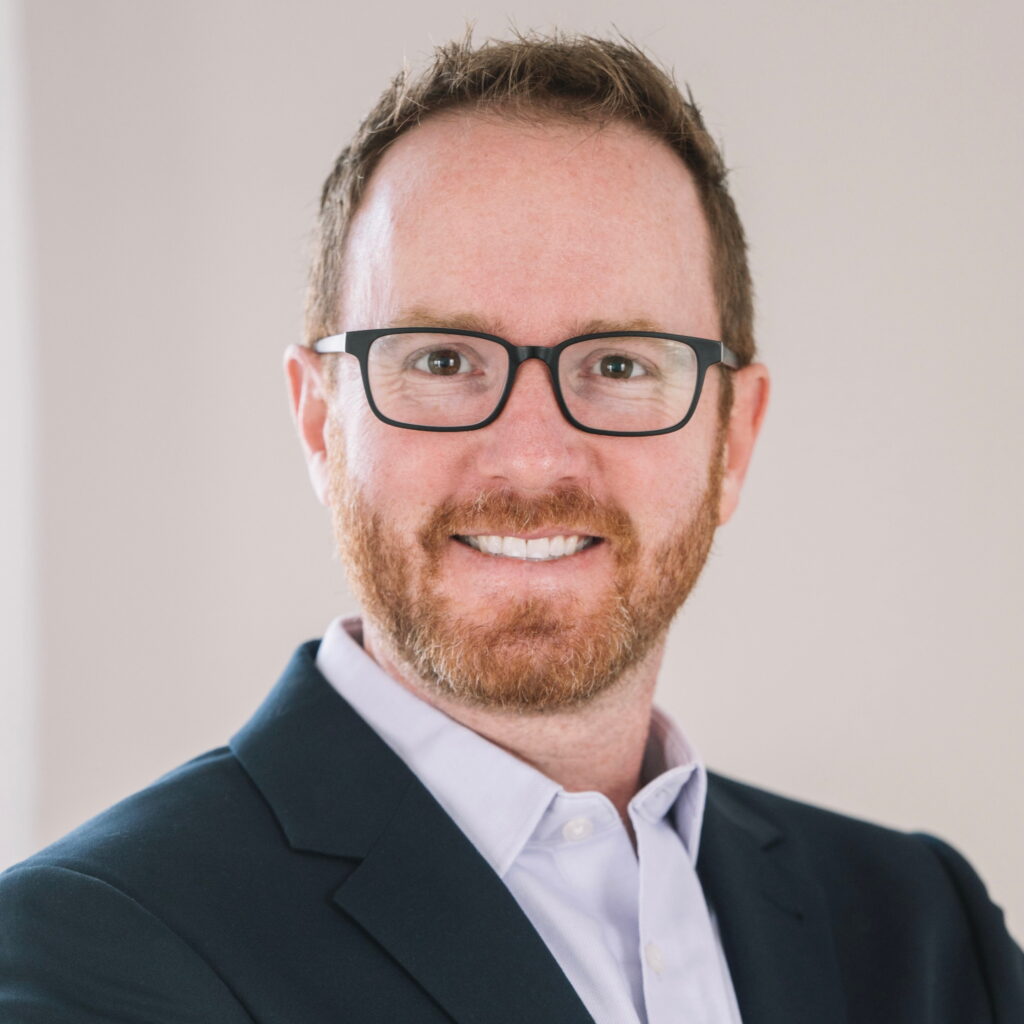
Dr. David Higgins Children’s Hospital Colorado
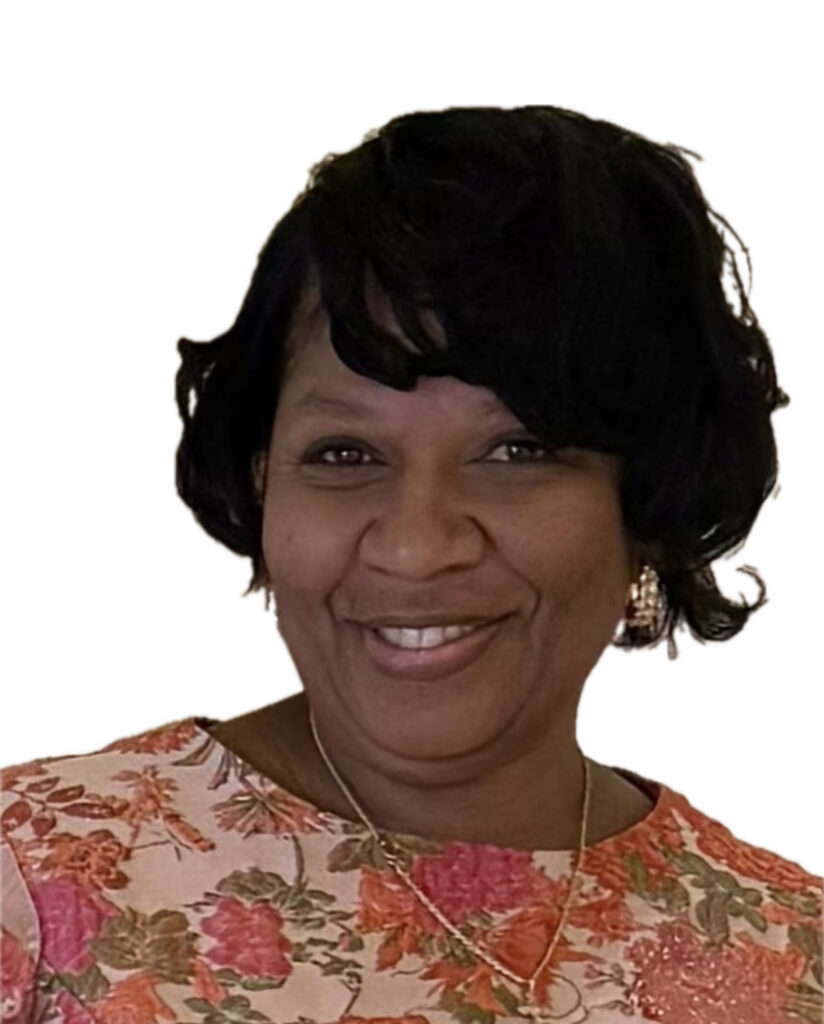
Cherie Craft
Smart from the Start
Wednesday, October 28, 2026
Bridging the Gap: Level 2 Autism Screening for Timely Diagnosis and Family-Centered Support
October 28 | 10:30 – 11:30 AM PDT
Vista Community Clinic implemented the LILYA-T (Lively Autism Screening Test in Young Children), formerly known at RITA-T, a validated Level 2 ASD screener, to provide direct-observation results that yield actionable information for families. This session will describe how using LILYA-T accelerated referrals by accelerating diagnosis and enabling earlier intervention and informed support for parents and children.
Speakers:
- Erika Carter, Vista Community Clinic, Program Manager
- Alyson Kaye, Vista Community Clinic, Assistant Director of Pediatrics, Nurse Practitioner, Float Supervisor
- Mendy Rayford, Vista Community Clinic, Licensed Clinical Social Worker, HealthySteps Specialist
- Sujana Gunta, Vista Community Clinic, Director of Pediatric Services and Strategic Projects
Harmony in our Helping Systems: Reflective & Relational Practices to Promote Health Equity
October 28 | 10:30 – 11:30 AM PDT
This 60-minute lecture presents an ecological model for strengthening helping systems in rural communities. Participants will explore the NE TN GROWSS initiative, integrating HealthySteps, Strong Roots, and FAN into pediatric settings and engage in interactive activities to apply reflective, equity-centered strategies for cross-system coordination and family engagement.
Speakers:
- Diana Morelen, East Tennessee State University/ Allied Behavioral Health Solutions, Associate Professor and Psychologist
- Rachel Adams, Allied Behavioral Health Solutions, Director of East TN Services
Developmental and Behavioral Health Screening with Medically Complex Infants and Toddlers: When, Why, and How?
October 28 | 1:00 – 2:00 PM PST
This presentation describes the use of the Ages and Stages Questionnaire (ASQ) with young children in a pediatric primary care clinic serving medically complex patients with conditions often associated with developmental differences. The clinic’s integrated behavioral health team will share factors considered when implementing developmental screening with this unique population.
Speakers:
- Alyson Hatten, Children’s Hospital Colorado – Special Care Clinic; University of Colorado School of Medicine, department of Psychiatry
- Verenea Serrano, Children’s Hospital Colorado – Special Care Clinic; University of Colorado School of Medicine, department of Psychiatry, Associate Professor, Clinical Psychologist
- Brigitte McClellan, Children’s Hospital Colorado – Special Care Clinic; University of Colorado School of Medicine, department of Psychiatry
Prioritizing Family Voice Through Attunement: Applying ERH concepts and FAN for HealthySteps and Pediatric Providers
October 28 | Part 1 – 1:00 – 2:00 PM PDT, Part 2 – 2:30- 3:30 PM PDT
This session highlights how prioritizing family voice through attunement can advance Early Relational Health across pediatric and HealthySteps settings. Drawing on parent-led initiatives, FAN-informed attuned communication, and reflective practice, presenters will illustrate concrete strategies providers can use to partner with families in ways that honor parents’ expertise and lived experience. Through examples from pediatric residency education and HealthySteps/FAN training, participants will see how building provider capacity for attunement strengthens relationships, supports shared decision-making, and enhances provider well-being.
Speakers:
- Andrea Minor, Erikson Institute
- Linda Gilkerson, Erikson Institute
- Diane Halberg, UCSF Benioff Children’s Hospital Oakland
- Hope Williams-Burt, UCSF Benioff Children’s Hospital Oakland
- Barbara Ivins, UCSF Benioff Children’s Hospital Oakland, Clinical Director EIS
Stronger Systems, Stronger Starts: Building Collaborative Partnerships for HealthySteps Implementation and Integration
October 28 | 2:30- 3:30 PM PDT
This session highlights strategies to strengthen stakeholder collaboration and alignment to successfully integrate HealthySteps into pediatric primary care and beyond. We will discuss overcoming fragmented systems, leveraging cross-departmental partnerships, and applying Quality Improvement efforts, and illustrate how coordinated behavioral health approaches can enhance access, equity, and outcomes for children and families.
- Diane Lee, Weill Cornell Medicine, Psychologist
- Nancy Lee, Weill Cornell Medicine, Assistant Professor of Clinical Pediatrics
- Rachel Wirtshafter, Weill Cornell Medicine, Program Coordinator
HealthySteps Networking Event
Please join us from 5:30 – 7:30 PM PDT at Irving St. Tapas to reconnect with colleagues, build new relationships and strengthen the connections that make the HealthySteps network so special. Light bites will be provided!
Thursday, October 29
Pediatrics Networking Event Hosted by PSP
Please join us from 7:30 – 8:45 AM PDT for light bites and conversation! Join Pediatrics Supporting Parents to connect with colleagues, share ideas, and build relationships before the day’s sessions.
Measurement of Early Relational Health (ERH): Implications for Clinicians and Researchers
October 29 | 10:30- 11:30 AM PDT
This session will describe Early Relational Health (ERH) and its critical role in development. Multiple ways to measure ERH will be presented in the context of research findings from two studies with diverse caregivers and their infants and toddlers. The value of parent-report and observations of ERH will be discussed with learners.
Speakers:
- Alissa Huth-Bocks, Merrill Palmer Skillman Institute, Wayne State University, Director
- Shannon Franz, HealthySteps, a program of ZERO TO THREE
- Katherine Rosenblum, Zero to Thrive, University of Michigan/Michigan Medicine
How to Share What’s Happening: Assessing and Communicating with Families About Child Development
October 29 | 10:30- 11:30 AM PDT
This session will offer an overview of ways to assess and share children’s developmental progress and milestones with caregivers, in the exam room, through meaningful interactions that support children as they play, learn, and grow.
Speakers:
- Sarah MacLaughlin, Parenting Educator and Consultant
- Shannon Ayers, Director – Custom Solutions Division, Lakeshore Learning Materials
Elevating the Voices of HealthySteps Families through Co-Creation and Innovation
October 29 | Part 1 – 1:00- 2:00 PM PDT, Part 2 – 2:30 – 3:30 PM PDT
Children’s National Hospital and Colorado’s HealthySteps State Intermediary (ABCD) share how each elevates family voice to strengthen and sustain HealthySteps. Learn about a statewide family experience survey and co-creation of a Parent Advisory Council, plus lessons learned and early outcomes showing how family feedback drives meaningful, measurable improvements across sites.
Speakers:
- Melissa Buchholz, Assuring Better Child Health and Development, HealthySteps State Director
- Rakia Ranney, Colorado ABCD, HealthySteps Program Manager
- Lael Coleman, Children’s National Hospital, Program Lead
- Shardé Pettis, Children’s National Hospital, HealthySteps Clinical Supervisor
- Kara Van de Grift, Assuring Better Child Health and Development
- Marta Genovez, Children’s National Hospital, HealthySteps Specialist
Scaling Dyadic and Dynamic Models of Care: Expanding HealthySteps Across a Large Public Health System
October 29 | 1:00- 2:00 PM PDT
NYC Health + Hospitals scaled HealthySteps across 17 sites, cumulatively providing well-care services to 41,000+ children (0-3) annually by building a centralized operational infrastructure that remained flexible enough for site-level adaptation. This session examines the three pillars driving that expansion — integration, data systems, and financial sustainability — with particular focus on EMR tools and data systems that enabled fidelity at scale while adapting to meet each clinic’s resources, workflows and community.
Speakers:
Large Health System Innovations: THREE Models, ONE Integrated Care Team, ONE Shared Goal = a High FIVE for Prenatal-5
October 29 | 2:30- 3:30 PM PDT
This session explores how HealthySteps (HS), Mothers and Babies, and the Chicago Parent program are implemented together across pediatric primary care clinics. Presenters share practical strategies, HS specialist perspectives, and sustainability insights to help participants apply approaches to screening, brief intervention, family support, and long-term financing in their own settings.
Speakers:
- Claire Kingsbury, Johns Hopkins University School of Medicine
- LaToya Montgomery, LCSW-C, Johns Hopkins University School of Medicine, Lead Behavioral Health Specialist
- Savannah Martinez, Johns Hopkins University School of Medicine, HealthySteps Specialist
2026 Posters
- Building Bridges for Dyadic Care: A Case Study on Scaling Collaborative Efforts in California’s Primary Care Public Health Systems
- Addressing Caregiver Mental Health in Pediatric Settings: Implementation Gaps and Opportunities Through Dyadic Services
- Provider Burnout and Wellbeing Over Time: A Longitudinal Comparison of Pediatric Clinics With and Without HealthySteps
- Making Connections Alongside Community Health Centers: Impacts of Early Childhood Development-Focused Technical Assistance and Peer Learning
- Documenting Protected Health Information of Caregivers in Dyadic Care Visits: Summary of Current State, Needs, and Opportunities From the Field
- Maternal Mental Health and Child Development in a HealthySteps Program at an Urban Mobile Clinic
- Utilizing Upstream Effective Teams of Care and Co-Creation with Families to Promote Early Relational Health in Pediatric Primary Care
- Works-in-Progress: Two Practices Share Their Post-Implementation Journeys, to Empower Parents and Families
- HealthySteps: Prioritizing Maternal Mental Health to Support Healthy Child Development
- Pathways for supporting early relational health within Medicaid: Case study of PlayReadVIP delivery and billing by Community Health Workers
- Building Synergy Beyond Silos: An Integrated Framework for Early Childhood Well-Being through Shared Systems, Strong Referral Pathways, and Integrated Care
- In the Gap: Polling for Clinic Staff Priorities During HealthySteps Specialist Turnover